The safest places to buy a gold bracelet are an established local jeweler, a national chain, or a reputable online retailer with a clear return policy. Estate sales and marketplaces can offer better prices, but they carry more risk. Wherever you shop, check three things before paying: the karat stamp, the weight in grams, and the return policy. Those three details tell you more about a bracelet than the photo does.
This guide compares every type of seller, shows you how to check what you are really paying for the gold, and covers the sizing step that stops a good purchase turning into a return.
Where to Buy a Gold Bracelet: Quick Comparison
| Where | Best For | Watch Out For |
|---|---|---|
| Local jeweler | Trying pieces on, resizing, repairs, a lasting relationship | Higher markups |
| National chains (Kay, Zales, Jared) | Warranties, financing, easy returns | Higher prices and heavy discounting tactics |
| Online retailers (Blue Nile, Mejuri, others) | Variety and competitive prices | Fit and quality you cannot check in person |
| Specialty gold dealers | Weight and purity over design | Limited fashion choice |
| Etsy and Amazon Handmade | Handmade and custom designs | Quality varies widely by seller |
| Estate sales and auctions | Vintage pieces and possible bargains | Higher risk, so get an appraisal |
The venue notes above follow common retail experience, and the named stores are examples, not endorsements. No independent study ranks them, so the right choice depends on what matters most to you: price, trust, or design.
Local Jewelers

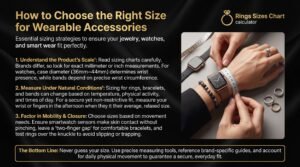
A local jeweler lets you try the bracelet on, ask about the clasp, and agree on resizing before you pay. You also get a person to return to if the clasp breaks. The tradeoff is price, since independent shops carry rent and often charge higher markups. Ask whether they will resize the bracelet and whether repairs are included. Our guide on how to choose the right size for wearable accessories helps you walk in knowing your wrist measurement.
National Jewelry Chains

Chains offer warranties, financing, and standard return policies. That predictability is their main advantage. The drawback is that sticker prices run high, and sales are common, so compare the discounted price against what a similar bracelet costs elsewhere before you assume you are getting a deal.
Online Jewelry Retailers

Online stores usually offer the widest selection and the sharpest prices, because they avoid the cost of a shop. They also publish more detail than most shops, including gram weight and karat. The risk is fit and finish, since you cannot see the clasp or try the length. Choose a seller with a clear return window, and read the policy before you buy.
Specialty Gold Dealers

Dealers that focus on precious metals sell gold by weight and purity, so they suit buyers who care more about gold content than design. Their selection of fashion pieces is usually limited, and bullion focused dealers may not carry bracelets at all. Check the stock before you assume they do.
Marketplaces Like Etsy and Amazon Handmade
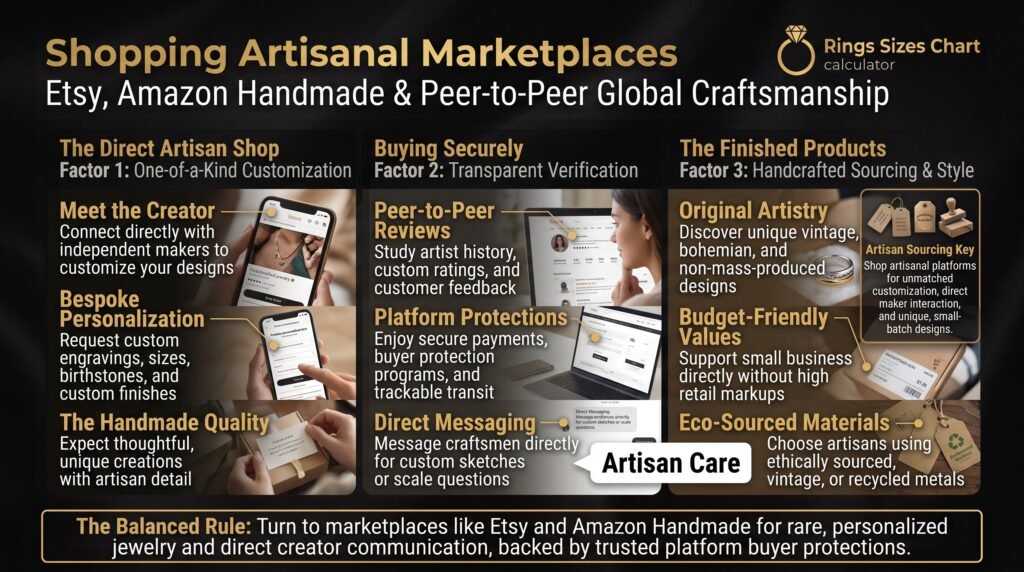
You can find custom and handmade pieces here that stores do not stock. Quality varies by seller, so check reviews with customer photos, ask for a close photo of the karat stamp, and confirm the return policy in writing.
Estate Sales and Auctions
Estate and vintage gold can cost less than new, and the metal is the same. The risk is authenticity and condition. Get an appraisal or ask a jeweler to test the piece before you pay if the seller allows it. Unsourced claims that estate gold sells for half the retail price are common, but the real discount depends on the piece, so compare against the price per gram.
How to Tell If a Gold Bracelet Is Real
Look for a stamp on the clasp, tag, or near the closing ring. These are the stamps you should see.
| Karat | Gold Content | Common Stamp |
|---|---|---|
| 10K | 41.7 percent | 10K or 417 |
| 14K | 58.3 percent | 14K or 585 |
| 18K | 75 percent | 18K or 750 |
| 22K | 91.7 percent | 22K or 916 |
| 24K | 99.9 percent | 24K or 999 |
Karat measures purity, not weight. A bracelet described with “karat weight” is a red flag for sloppy wording. Also watch for these markings:
- GF means gold filled, a thicker layer of gold bonded to a base metal.
- GP or “gold plated” means a very thin layer, which wears away.
- Vermeil is gold over sterling silver.
- “Gold tone” or “gold finish” means the piece is not solid gold.
Peter Stone, a jewelry retailer, suggests asking sellers for a close photo of the stamp and a certificate of authenticity, and treating a price 70 to 80 percent below market value as a warning sign. That is a retailer’s own checklist, so use it as a guide, not a rule. A magnet test is also commonly suggested, since real gold is not magnetic, but a bracelet that does not stick to a magnet is not proof of gold, because many other metals are also non magnetic. For a high value purchase, a jeweler can run an acid or electronic test.
The Price Per Gram Test
This is the check most buying guides skip, and it works for any bracelet with a stated weight.
Gold content value = weight in grams × purity × price per gram of pure gold
One troy ounce is 31.1035 grams. A retailer’s April 2026 guide put the spot price around $4,740 per ounce, which works out to about $152 per gram of pure gold. That price changes daily, so look up the live rate before you calculate. Using the April figure as a worked example:
| Bracelet | Weight | Gold Content Value (April 2026 spot) |
|---|---|---|
| 14K, 10 grams | 10g × 0.583 | About $890 |
| 18K, 10 grams | 10g × 0.75 | About $1,140 |
If a seller asks less than the gold content value, ask why, because the price may reflect a hollow design or a lower weight than stated. If a seller asks well above it, the extra is labor, design, and brand, which can be fair but is worth knowing. This is the same melt value formula we use in our guide on where to sell your wedding rings. Our guide on how much wedding rings cost shows how metal and weight drive price for rings.
Always ask for the gram weight. Two bracelets that look alike can differ a lot in gold, and hollow designs can look chunky while holding far less metal.
Which Karat Should You Buy?
| Karat | Best For | Trade Off |
|---|---|---|
| 10K | Budget buyers, hard daily wear | Less gold, paler color |
| 14K | Everyday bracelets | The most popular balance |
| 18K | Richer color, special pieces | Softer, scratches more easily |
| 22K and 24K | Tradition and investment | Soft, easily bent |
For a bracelet you plan to wear every day, 14K is a safe default. It resists scratches better than 18K and costs less.
Check the Size Before You Pay
A gold bracelet that does not fit is the most common reason for a return. Measure your wrist just above the wrist bone with a flexible tape or a paper strip, then add an allowance. Anne Sportun’s jewelry guide advises choosing a bracelet at least half an inch bigger than your wrist. A snug fit adds a little less and a loose fit adds more.
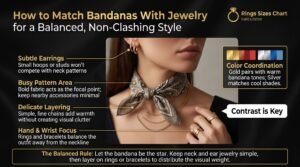
Our full guide on sizing bracelets and other wearable accessories has the allowance table. If you plan to wear the bracelet stacked with other pieces, or with a fabric band, allow extra room, and our guide on matching bandanas with jewelry covers how to balance a layered wrist.
If you are also buying a ring from the same seller, remember that sizes can differ. Our guide on whether ring sizes vary by brand explains why, and our free ring size calculator converts a measurement into US, UK, EU, and Japan sizes.
A Pre Purchase Checklist
- Karat stamp visible and clearly photographed
- Gram weight stated
- Price compared against the gold content value
- Clasp type confirmed (lobster claw is secure; spring ring is less so)
- Wrist measured, with allowance added
- Return policy read, including who pays return shipping
- Seller reviews checked, with customer photos if possible
- Receipt and certificate saved for insurance and resale
Frequently Asked Questions
Where is the best place to buy a gold bracelet?
For most buyers, a reputable local jeweler, a national chain, or an established online retailer with a clear return policy. Choose estate sales and marketplaces only if you can verify the karat and get the piece appraised.
How can I tell if a gold bracelet is real?
Check for a karat stamp such as 14K, 585, 18K, or 750, ask for a close photo of the stamp, and compare the price with the gold content value for the stated weight. For expensive pieces, have a jeweler test it.
Is it safe to buy a gold bracelet online?
Yes, if you buy from a seller that states karat and weight, shows the hallmark, and offers a clear return window. Avoid listings that say “gold tone” or give no karat.
What karat gold bracelet is best for everyday wear?
14K, because it balances durability and value. 18K has a richer color but scratches more easily, and 24K is too soft for daily wear.
How much bigger than my wrist should a gold bracelet be?
At least half an inch bigger than your wrist measurement, according to Anne Sportun, and more if you want a loose fit or plan to stack pieces.
Is vintage gold cheaper than new?
Often, but not always. The metal value is the same, so compare the price per gram, and have the piece checked for authenticity and wear.
Final Thoughts
Buy the gold, not the story. Check the karat stamp, get the gram weight, and compare the price with the gold content value before you decide, then choose a seller whose return policy you have read. Measure your wrist first and add the right allowance, so the bracelet fits on day one. A plain 14K bracelet from a trusted seller will serve you better than a bargain you cannot verify.