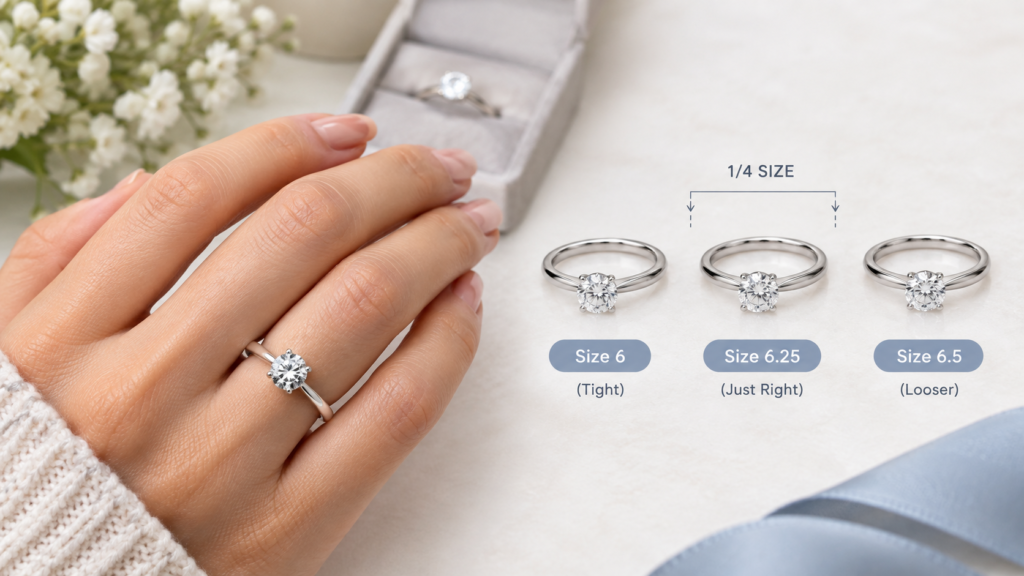
Yes, a quarter ring size can absolutely make a difference, even though it sounds too small to matter. A ring sits directly against soft tissue that shifts throughout the day, not a rigid surface, so a change of a fraction of a millimeter can be the gap between a ring that spins loosely and one that sits exactly where it should.
Here is what that quarter size actually measures in real terms, when it genuinely changes how a ring feels, and when it is too small a fix for the problem you are actually dealing with.
What a Quarter Size Actually Measures
This is where a lot of size charts get a little sloppy, so it is worth being precise. Ring sizes are built around two related but different measurements: the inner diameter of the band and its inner circumference.
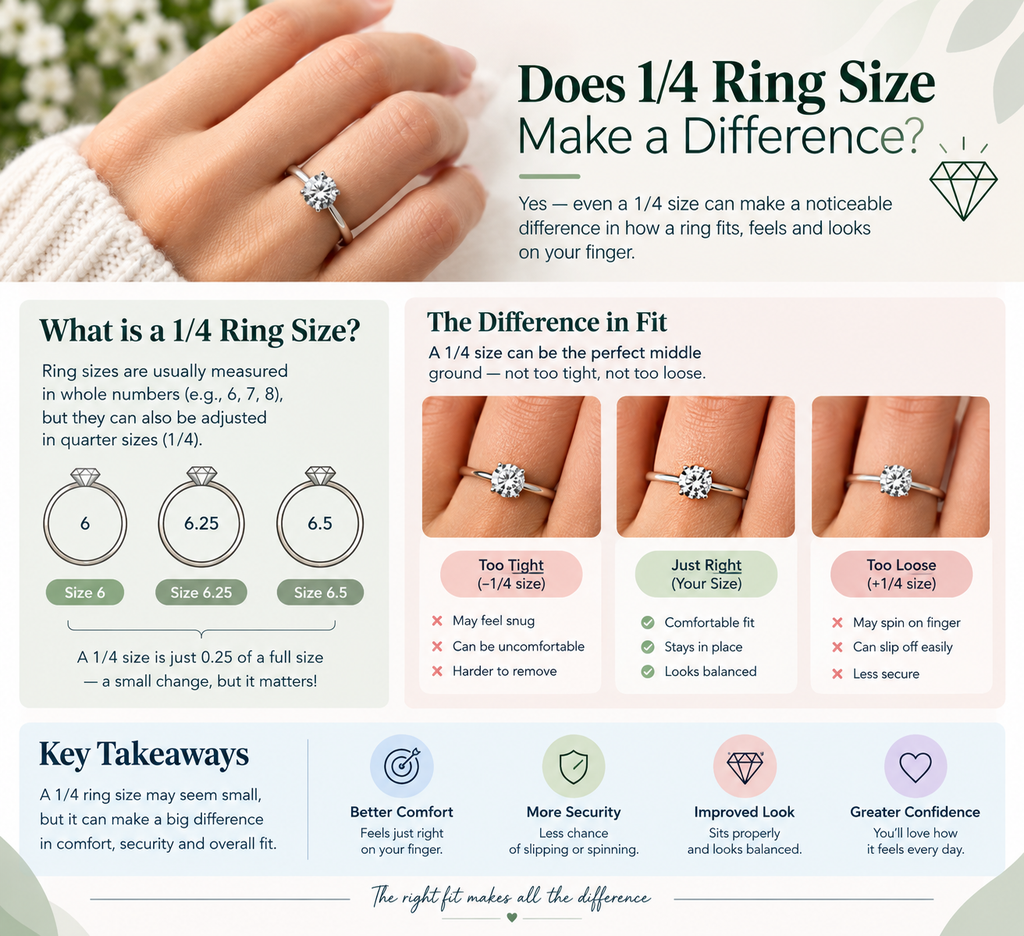
A full US size step moves the diameter by roughly 0.8mm and the circumference by roughly 2.5mm, since circumference is simply diameter multiplied by pi. A quarter size, one fourth of that step, moves the diameter by about 0.2mm and the circumference by about 0.6mm.
| Measurement | Full Size Change | Quarter Size Change |
|---|---|---|
| Inner diameter | About 0.8mm | About 0.2mm |
| Inner circumference | About 2.5mm | About 0.6mm |
That circumference number, roughly 0.6mm, is the one that actually touches your finger, since it is the full loop of metal wrapping around it rather than just the distance across. It is small on paper, thinner than a credit card, but a finger is a soft, slightly compressible surface, so that small a shift is genuinely felt rather than theoretical.
When a Quarter Size Changes Everything
A quarter size matters most in a handful of specific situations, and barely at all in others.
Thin bands feel every fraction of a millimeter. A narrow band, common on delicate stacking rings or slim solitaire settings, contacts less of the finger overall, which makes the fit feel more precise and more sensitive to a small size change in either direction.
Wide bands naturally run tighter. A band that covers more of the finger has more surface pressing against soft tissue, so the same numeric size can feel snugger than a thin band in that size. If you already own a wide band that feels slightly tight, a quarter size up is often the exact fix rather than a full size, which could end up too loose.
Comfort fit interiors change the math. Rings with a rounded, domed interior slide over the knuckle more easily and tend to feel a touch looser than a flat interior band in the same labeled size. A quarter size adjustment on a comfort fit ring often has a slightly larger practical effect than the same adjustment on a flat interior band.
Stacking rings amplify small differences. When two or three bands sit against each other on the same finger, a quarter size mismatch between them becomes far more noticeable than it would on a single ring worn alone.
Daily and Seasonal Fluctuation Already Covers This Range
Here is something worth knowing before chasing the perfect quarter size fit: your finger already moves through roughly this range on its own, every single day.
Heat and cold shift finger size by close to a quarter size on their own, and hydration, salt intake, and time of day add more small movement on top of that. This is exactly why jewelers commonly recommend measuring at room temperature, in the middle of the day, rather than first thing in the morning or right after a workout. If you want to see how this pattern plays out for you specifically, our free ring size calculator makes it easy to check your measurement more than once and compare.
Because of this natural swing, some people deliberately choose a size that runs a touch snug in warm weather, knowing it will feel just right once temperatures drop, while others do the opposite and size for comfort in the heat.
When a Quarter Size Is Not Enough
A quarter size fixes small, marginal discomfort. It does not fix a genuine fit problem.
If a ring leaves a visible red mark or groove after normal wear, catches painfully at the knuckle, or slides off on its own without you noticing, the actual gap is almost certainly larger than a quarter size, even if it does not feel that way at first. Significant causes like meaningful weight change, pregnancy related swelling, or gradual joint changes with age typically call for at least a half size adjustment, sometimes more. Our guide on how much ring sizing costs breaks down what a proper resize involves once a quarter size clearly is not the right fix.
How to Tell Which One You Actually Need
A simple way to check before assuming: measure your finger twice, once first thing in the morning and once again in the evening after a normal day. If the two readings land within a quarter size of each other, you are looking at ordinary daily fluctuation, not a real size problem, and a quarter size adjustment on your existing ring is worth trying. If the gap is closer to a half size or more, or if the discomfort shows up consistently regardless of time of day, the fix likely needs to be bigger than a quarter size.
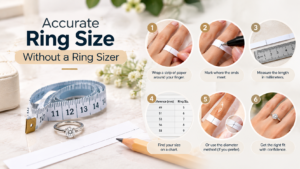
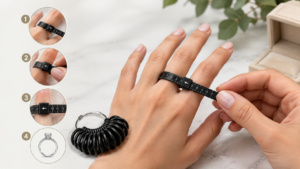
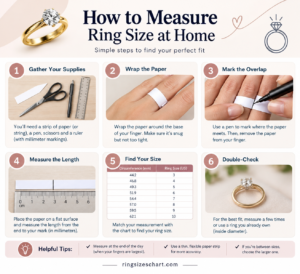
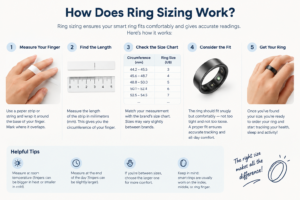
If you would rather measure with an actual tool instead of paper or string, our step by step guide on how to measure ring size with tape walks through getting a reliable reading at home.
Frequently Asked Questions
Is a quarter size the smallest adjustment a jeweler can make?
In most cases, yes. A quarter size is typically the finest adjustment most jewelers offer, since going any smaller falls below what standard sizing tools and stock can reliably produce.
Can I feel a quarter size difference on every finger?
Not equally. Thinner fingers and fingers with a more defined knuckle tend to register a quarter size change more clearly than fingers with a straighter, more uniform shape from base to knuckle.
Does a quarter size cost less to resize than a full size?
Often, yes, since a smaller adjustment generally means less metal to add or remove. That said, the setting style and metal type usually affect the price more than whether the change is a quarter size or a full size.
Should engagement rings and wedding bands be sized to match exactly?
Not necessarily. Since they often differ in width and interior shape, a wedding band may need a slightly different labeled size than the engagement ring to feel equally comfortable once worn together.
Is it worth adjusting a ring by a quarter size for occasional wear?
If the ring is worn daily, a quarter size adjustment is usually worth the small cost for comfort. For a ring worn only occasionally, many people find the natural fluctuation in finger size makes a quarter size difference far less noticeable.
Final Thoughts
A quarter ring size sounds like a rounding error, but on a finger it translates to a real, measurable shift, about 0.6mm of circumference, which is enough to move a ring from uncomfortable to right. It matters most on thin bands, wide bands, comfort fit interiors, and stacked rings, and it matters far less once you are dealing with a genuine size problem rather than a marginal one. Know which situation you are actually in before deciding how big an adjustment to ask for.