A ring that fit perfectly on the day you got engaged can start pinching your knuckle or spinning loose on your finger months later, and the ring has not changed at all. The finger underneath it has. Before you book an appointment with a jeweler, it helps to know why this happens, what your actual options are, and roughly what each one costs, because the right fix depends entirely on the cause.
Why Your Ring Suddenly Feels Different
Finger size is not fixed. Several ordinary things push it up or down without you noticing until the ring tells you.
Weather. Heat makes fingers swell slightly and cold makes them shrink, sometimes by close to half a size within the same day. A ring that feels tight in July and loose in February is usually not a sizing problem at all.
Weight change. Even a modest change in weight often shows up first at the fingers. Gaining or losing a noticeable amount of weight over a few months can move your ring size by half a size, and a larger sustained change can move it a full size or more.
Pregnancy. Fluid retention and hormonal changes during pregnancy are a well documented cause of temporary hand and finger swelling. Many women find their ring feels tight in the later months and returns close to its previous fit within a few months after delivery, though some notice a small permanent change afterward.
Joint changes at the knuckle. Over time, the knuckle can become slightly larger relative to the base of the finger. When this happens, a ring that used to slide on and off easily starts catching at the knuckle even though the base of the finger has not changed much at all.
Step One: Confirm It Is Actually a Size Change
Before paying for anything, find out how much your size has actually moved. Guessing leads to either an unnecessary resize or the wrong one.
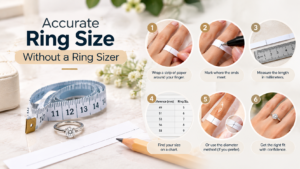
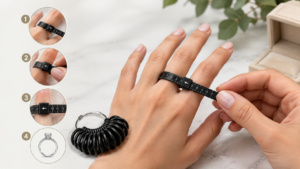
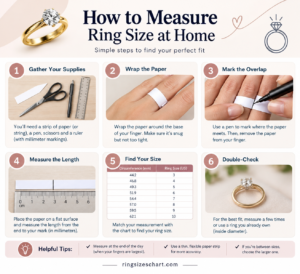
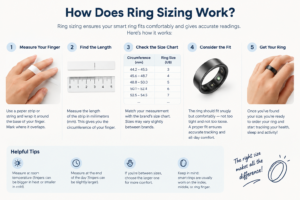
The simplest home check uses a flexible tape measure or a strip of paper wrapped snugly around the base of your finger, then compared against a standard chart. If you would rather use a proper tape measure for this, our guide on how to measure ring size with tape walks through the exact steps, and you can convert the result instantly with our free ring size calculator.
A change of a quarter size or less is normal daily fluctuation and rarely needs any action. A full size change is a clearer signal that something more permanent, like weight change or joint growth, is behind it.
Can Your Ring Be Resized? It Depends on the Setting
Not every ring can be resized the same amount, and some settings resist resizing almost entirely. The style of the band, not the price of the ring, decides this.
| Setting Style | Typical Resize Range | Why |
|---|---|---|
| Plain band or solitaire | Up to 2 sizes | Plenty of smooth metal on the underside to cut or stretch |
| Half pave or accented shank | Up to 2 sizes | Stones sit on the front only, leaving the back open to work with |
| Channel set band | About 1 size | The continuous groove holding the stones limits how much can be cut |
| Full eternity band | About 1 size | Stones run the entire circumference, so stones must be removed and reset |
| Tension setting | Rarely resizable | The stone is held purely by pressure from the band itself, and cutting the band releases that pressure entirely |
If your ring falls into one of the harder to resize categories and the size change is significant, ask your jeweler directly whether a resize is even structurally possible before agreeing to anything. A rushed resize on a channel or tension set ring can loosen stones that were never designed to be reset.
What Resizing Actually Costs
Prices vary by jeweler and by region, but a few patterns hold pretty consistently across the industry.
| Metal | Typical Cost Range | Notes |
|---|---|---|
| Silver | $20 to $60 | Softest metal, easiest and cheapest to work with |
| Gold (10k to 18k) | $30 to $120 | Sizing down is cheaper than sizing up since no extra metal is added |
| Platinum | $50 to $200 or more | Higher melting point requires specialized tools, which raises labor cost |
| Rings with stones or engraving | Add $50 to $150+ | Stones often need to be removed and reset, and engraving must be redone |
A few things consistently raise the price no matter the metal. Sizing up always costs more than sizing down, because the jeweler has to add material rather than remove it. White gold rings usually need fresh rhodium plating afterward since the original coating burns off at the solder point. And any ring with side stones adds labor, since each one may need to be checked, retipped, or reset once the band is reshaped.
Always ask for a written quote before work begins, and ask whether the price includes cleaning, plating, and a final polish, since some shops quote those as extras.
Temporary Fixes While You Decide
If you are not ready for a permanent resize, or if the size change might be temporary, a few reversible options exist.
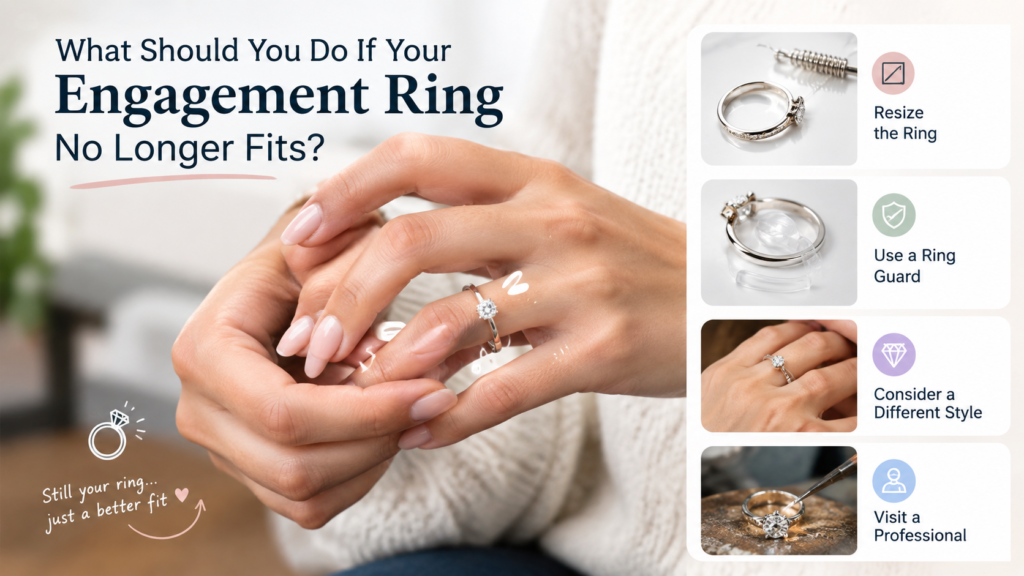
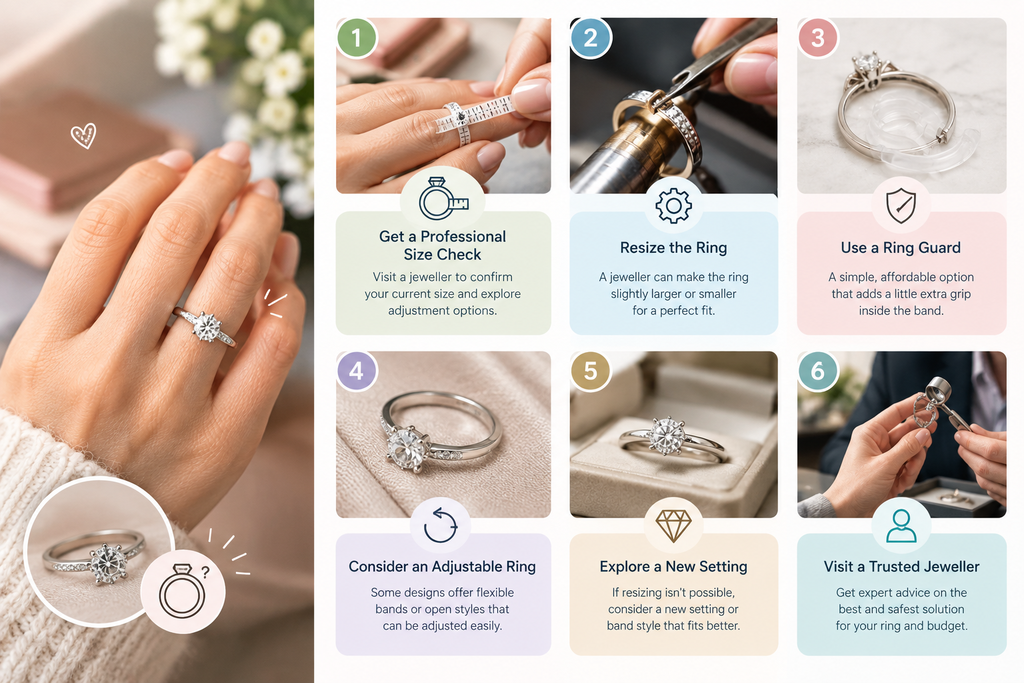
Sizing beads. Small metal beads soldered to the inside of the band, positioned to hold the ring snug at the base of the finger while still letting it clear the knuckle. They can be removed later without leaving a visible mark, and most jewelers charge a modest fee per bead.
Spring inserts. A thin metal coil fitted inside the band that flexes as the ring passes the knuckle and holds it snug once in place. This works well specifically for a knuckle that has grown while the base of the finger has stayed roughly the same.
Plastic or silicone ring guards. The cheapest and least permanent option, a small guard that clips or wraps around the inside of the band to take up extra space. It is meant as a short term fix rather than a lasting solution, since it wears down with daily use.
None of these change the ring itself, which makes them a sensible choice if you suspect the fit change is temporary, such as during pregnancy or a short term weight fluctuation.
When a Full Remake Beats a Resize
Sometimes a jeweler will recommend starting over rather than resizing. This usually comes up in a few specific situations.
A size change of three sizes or more on a heavily set band often means removing and resetting so many stones that a rebuild ends up cheaper and cleaner than a resize. Significant joint changes at the knuckle can also make a standard resize impossible, since the ring needs to pass a knuckle that is now noticeably larger than the base of the finger, something a simple size adjustment cannot fix on its own. And a ring that has already been resized more than once may have thin spots or weakened solder joints from the earlier work, making another resize risky rather than routine.
If a remake is genuinely the better option, ask whether the original stones and any sentimental metal can be reused in the new setting. Most jewelers can preserve the center stone even while rebuilding the band around it.
Choosing a Future Ring With Resizing in Mind
If you are shopping for a new engagement ring or planning to replace this one eventually, the setting style is worth considering before you fall for a specific design. A plain shank or a half pave setting keeps years of flexibility for future resizing, while a full eternity or tension setting locks you into the size you choose on day one. If you are also comparing wedding band styles to pair with the ring, our wedding ring size chart covers how band width affects fit, which matters even more once two rings are worn together daily.
Frequently Asked Questions
Is it normal for an engagement ring to stop fitting?
Yes. Weather, weight changes, pregnancy, and gradual joint changes at the knuckle are all common, normal reasons a ring that once fit perfectly starts to feel different.
How many times can a ring be resized?
Most plain bands can be safely resized two or three times over their lifetime. Each resize slightly thins the metal at the seam, so a ring that has already been resized multiple times is more likely to need a rebuild instead of another resize.
Does resizing damage the center diamond?
A properly done resize should not affect the stone itself, since reputable jewelers remove stones before heating the band and reset them afterward. The main risk comes from a rushed job on a channel or tension setting, not from the resizing process itself.
Should I resize my ring right after pregnancy?
Most jewelers recommend waiting a few months after delivery before resizing, since swelling from pregnancy often reduces on its own during that time. If your size is still noticeably different after several months, that is a good sign the change may be more permanent.
Can every metal be resized?
Most traditional metals, including gold, platinum, and silver, can be resized by an experienced jeweler. Some alternative metals like tungsten and certain titanium alloys cannot be resized at all because of how hard and brittle they are, so those rings are usually replaced rather than adjusted.
Is it cheaper to resize a ring bigger or smaller?
Sizing down is almost always cheaper, since the jeweler removes a small section of metal and reseals it. Sizing up costs more because new matching metal has to be sourced, shaped, and blended into the band.
Final Thoughts
A ring that no longer fits is rarely a sign that something has gone wrong with the ring. It usually means your finger has changed, sometimes for a day, sometimes for good. Confirm how much the size has actually shifted before deciding on a fix, since a small fluctuation and a genuine size change call for very different answers. When in doubt, a jeweler can measure your current size for free in a couple of minutes, and that single measurement will tell you whether you need a resize, a temporary fix, or nothing at all.